
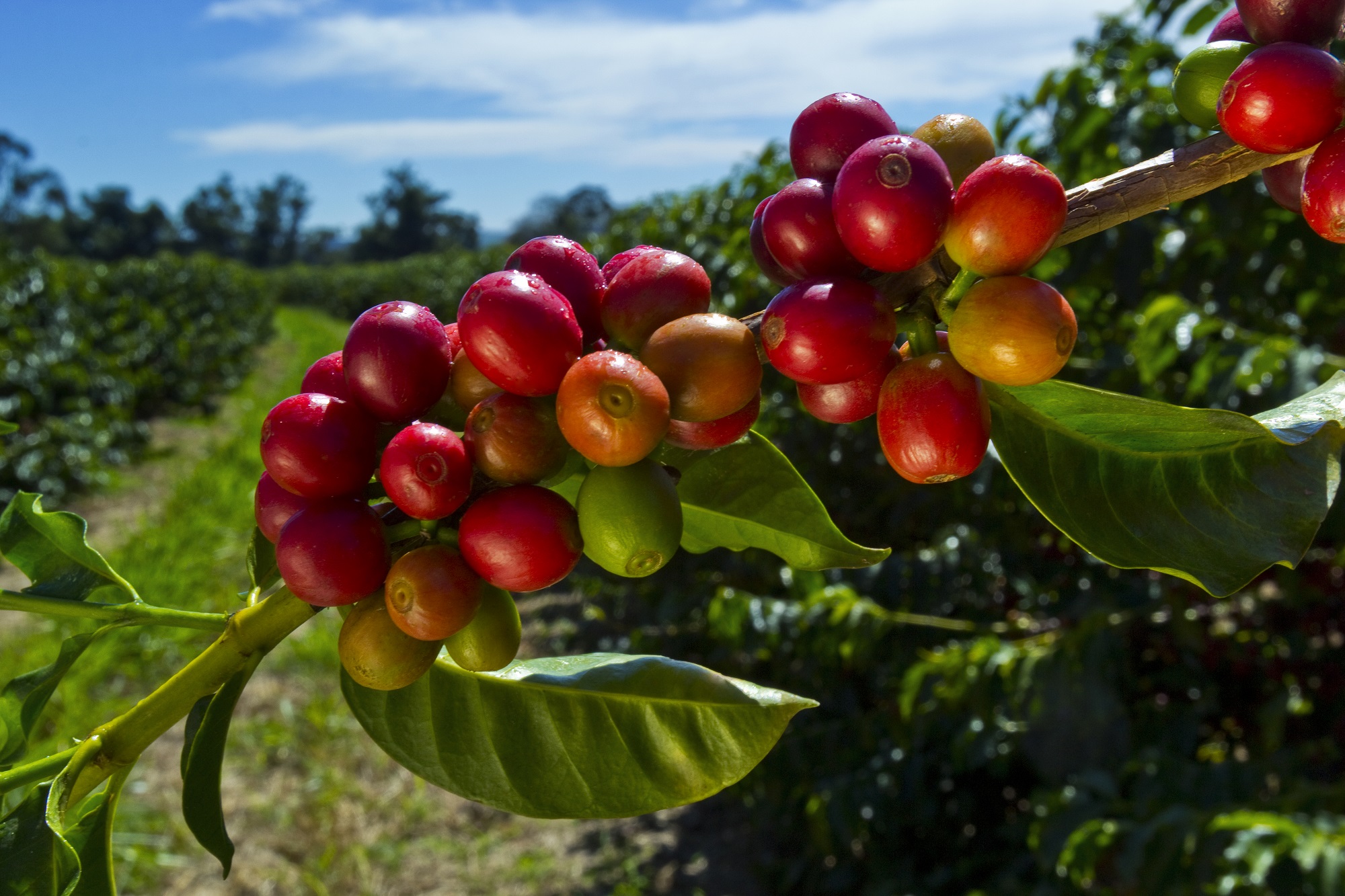
Once the cherries are harvested we need to process them so that we end up with green coffee ready for export and roasting. The outer skins are removed, the slimy mucilage is dried and removed, and the bean is brought to the right moisture content for storage.
There are several ways to do it.
Washed
The most common method: cherries are immersed and washed in water, then left to dry. During washing the ripe and green cherries sink while the overripe and underdeveloped ones float, which separates the floaters.
The cherries are usually fermented in water for 24 to 36 hours. Washing produces clean coffees with good acidity and good body.
Natural
Also called the dry or unwashed method. It is often used where water is limited: cherries are dried in the sun on patios or rooftops. The harvest is sorted and cleaned first to remove unripe, overripe or damaged fruit, then dried for around two weeks — though much depends on the local method, and some plantations use mechanical dryers.
Naturals tend to be fruitier and heavier, because the bean spends longer in contact with the fruit.
Pulped-natural
This one has many names: pulped-natural, wet-hulled, semi-washed. In Indonesia it is called giling basah, which means wet grinding.
The cherries are de-pulped and then dried, with some mucilage left on the bean. It sits between the two methods: more body and sweetness than a washed coffee, less fruit than a natural.
The method is printed on most speciality bags for a reason. It is one of the clearest signals of what the coffee will taste like before you open it.